Charter Contracts and Cancellation Terms Explained
By The Charter Cost Guide editorial team · Updated October 13, 2026 · 8 min read
Some links on this page are affiliate links. We may earn a commission at no extra cost to you. Read how we make money.
Short answer
A charter contract sets the vessel or aircraft, the price, the payment schedule, what happens if either side cancels, and who decides disputes. Standard forms exist — the MYBA agreement is the most widely used for Mediterranean yacht charters. Read the cancellation and payment clauses before paying anything, get the schedule in writing, and remember this guide is information, not legal advice.
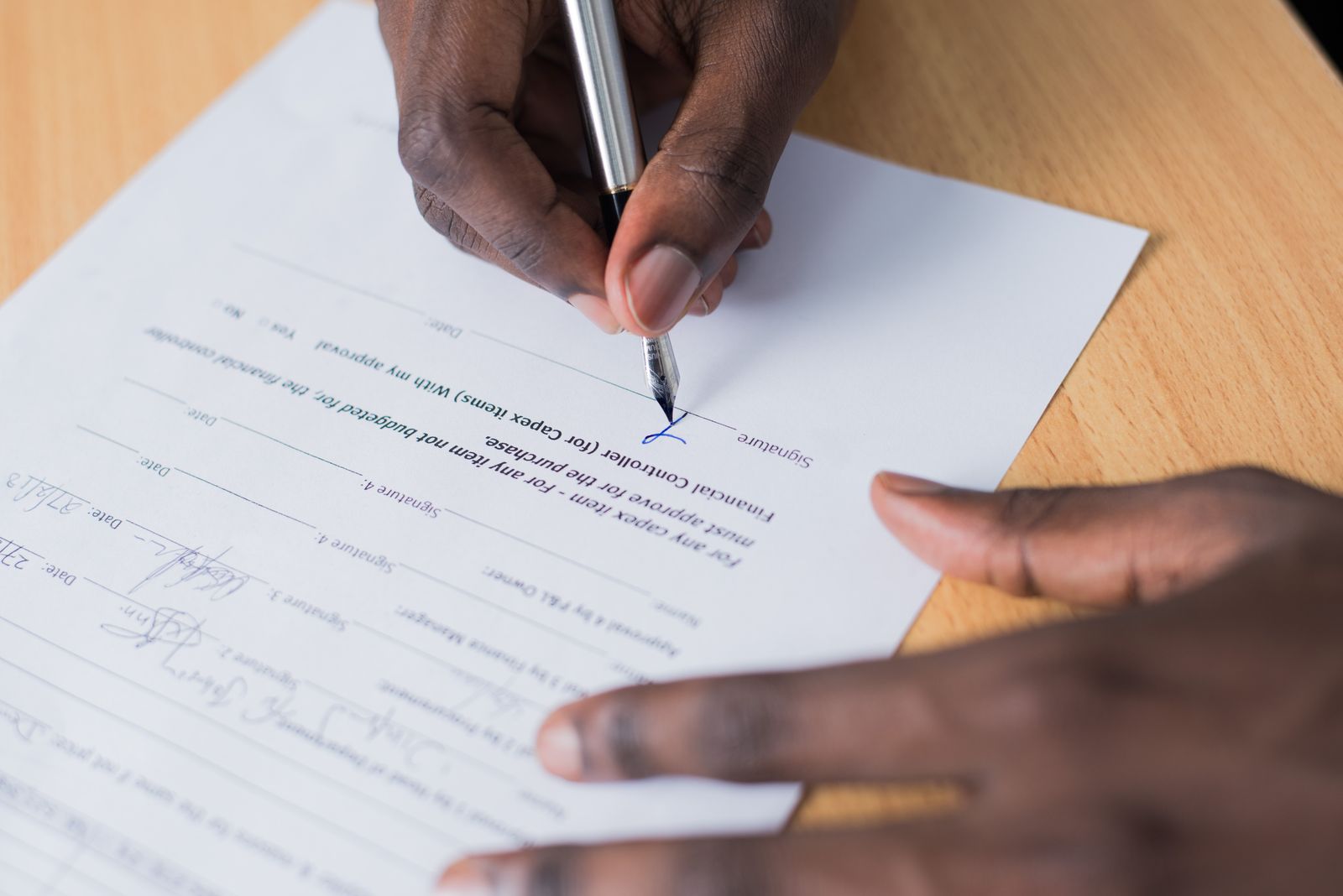
The contract is the least-read and most important document in any charter. Everything about money — what you pay, when you pay it, and what happens if plans change — lives in its clauses, not in the brochure. This guide explains the standard structure of yacht and jet charter agreements, the clauses that matter most, and the exact questions to ask before you sign.
This is general information, not legal advice. If a clause confuses you, ask the broker in writing; for large sums, have a maritime lawyer review the agreement.
New to chartering? Our first-timer’s guide covers the booking steps that lead up to the contract, and the hidden costs checklist covers the extras the contract prices separately.
Standard forms exist — here is the main one
You will usually sign a standard industry form rather than an individually drafted contract. In the Mediterranean, the most widely used is the MYBA agreement, published by The Worldwide Yachting Association — founded in 1984 and known until recently as the Mediterranean Yacht Brokers Association. One 2026 clause-by-clause guide describes it as the contract that prices most larger motor yachts.
Two points worth knowing about the landscape:
Terms vs form. In the Mediterranean, yachts operate under different commercial terms: Western Mediterranean Terms (often called MYBA terms) or Eastern Mediterranean/Gulet terms, which bundle different things into the base rate. The yacht owner decides which terms apply — the contract form and the commercial terms are related but not identical.
Other regions, other forms. Caribbean and US charters often use different standard forms with their own clause numbering and cancellation mechanics. The principles below travel well; the clause numbers do not.
Not legal advice
Contract wording varies by form, region and negotiation. Nothing here replaces reading your own agreement — or having a professional review it.
Parts of a typical contract
Most charter agreements, yacht or jet, contain the same building blocks. Skim the whole document once to learn its shape, then read the money clauses — price, payment, cancellation — word by word.
The parties — who owns or operates the vessel/aircraft, who the charterer is, and who the broker is.
The charter period and place — exact dates, delivery and redelivery locations.
The price — charter fee, APA, deposits and any delivery fees, each on its own line.
Payment schedule — amounts and due dates (see below).
Running costs — what the fee covers vs what you pay extra (on MYBA forms this is the operating-costs clause: fee covers yacht, equipment, crew wages and insurance; you pay fuel, food, berthing and similar at cost).
Cancellation terms — what each side owes if the charter does not happen.
Weather, safety and force majeure — who decides, and what the remedies are.
Substitution — what happens if the vessel or aircraft is unavailable.
Insurance and liability — what the operator covers and what you are responsible for.
Disputes and governing law — which country’s law applies and which court decides.
Payment schedule and deposits
Here is the detail most first-timers miss: the standard forms print blank payment lines. The deposit percentage and due dates are whatever the parties agree and type in — they are not set by the form itself.
That said, market practice is consistent enough to describe. A widely cited 2026 contract guide notes that a 50% deposit with the balance due about 30 days before the charter is common practice, while stressing it is practice, not a rule. Some brokers use staged schedules instead — for example, 25% on signing when dates are more than six months out, another 25% at six months, and the 50% balance 60 days before.
Two protections to confirm in writing:
Who holds the money. Under the MYBA agreement, payments go to an independent stakeholder named in the contract — not directly to the owner — and are released in portions as the charter progresses. Confirm the stakeholder’s name appears in your agreement.
Escrow. Reputable brokers hold client funds in escrow or stakeholder accounts until the charter is paid through. If anyone asks you to wire a deposit to a personal account, stop.
Tip
Before signing, ask: what is the exact payment schedule, who is the stakeholder, and what happens to money already paid if I cancel next week? Get all three answers in the agreement itself, not in an email.
Cancellation terms
Cancellation clauses are where charter contracts differ most — and where the money is. Key patterns from published contract guides:
Payments due are usually earned. Under widely used forms, charter fee payments are treated as earned and non-refundable once due, unless the contract says otherwise. A deposit is not automatically refundable because it is called a deposit.
Re-letting can unlock a partial refund. If you cancel and the owner re-lets your dates, one widely cited form provides for the net proceeds of the replacement charter less 20% of the charter fee (and less any provisioning already spent). The owner and broker must make reasonable efforts to re-let.
Timing matters enormously. As a rough market pattern, cancelling more than 30 days out typically means losing the deposit; cancelling inside 30 days — when the full balance is usually due — typically means losing the full amount. Your contract’s own clause overrides any rule of thumb.
Instalments not yet due are a different story. If you have paid ahead of the schedule, amounts relating to instalments not yet due at cancellation are generally refundable.
The practical takeaway: the cancellation clause, not the brochure, decides what a change of plans costs. Read it before the deposit leaves your account — and consider cancellation insurance, which exists precisely because these terms are strict.
Weather and safety clauses
Two separate ideas live under this heading:
The captain’s authority. On the day, the captain (or aircraft commander) has the final say on safety. If weather makes the planned route unsafe, expect a reroute or delay rather than a refund — the contract protects the operator’s safety call.
Force majeure. For events like hurricanes that cancel the charter outright, some forms give the charterer a choice: a credit for the full fee against a rebooking (commonly within twelve months), or a refund less a cancellation charge — one widely cited form sets this at 35%. The choice, where offered, belongs to the charterer.
Ask your broker which clause covers weather cancellations on your specific agreement, and what each remedy means in practice.
Substitution of vessel or aircraft
Sometimes the yacht or aircraft you booked becomes unavailable — mechanical failure, a double-booking, an owner’s sudden private use. Contracts handle this in one of two ways: the operator offers a named substitute of similar standard (you can usually accept or reject it), or the charter is cancelled under the cancellation clause.
Aircraft substitution deserves special attention on jet charters, where operational swaps are more routine than in yachting. A contract that names only an aircraft category rather than a specific tail number gives the operator wide latitude. If the exact aircraft matters to you — cabin size, range, age — have it written into the agreement.
What to check: does your agreement name a substitute-acceptance process, and does rejecting the substitute count as your cancellation or the operator’s? The answer decides who owes whom.
Disputes and governing law
Charter agreements specify which country’s law governs the contract and which court or arbitration body decides disputes. This matters more than it looks: a dispute under one country’s law, heard in another country’s courts, is expensive before it starts.
You do not need to become a conflicts-of-law expert. You need to notice the clause, understand which jurisdiction you are agreeing to, and weigh it alongside everything else. For significant sums, that is the page a lawyer should read.
Questions to ask before you sign
Take this list to your broker and work through it on a call. The right broker answers quickly and in writing; hesitation on any of these is itself an answer.
What is the exact payment schedule, and who is the stakeholder holding the funds?
What does the cancellation clause say, in plain language, if I cancel at 60 days? At 20 days?
Which clause covers weather and force majeure, and what are my remedies under it?
What happens if the vessel or aircraft is substituted — can I reject it, and whose cancellation does that count as?
Which law governs the agreement, and where would a dispute be heard?
Are the APA percentage, tax treatment and tip expectations written into the agreement or its addenda?
For jets: does the agreement name the specific aircraft and operator, or only the category? (Our private jet safety checklist covers operator verification in detail.)
Note
This guide is general information about how charter contracts are typically structured, based on published contract guides accessed on 13 October 2026. It is not legal advice. Contract terms vary by form, region and negotiation — read your own agreement carefully before signing.
Frequently asked questions
What is the MYBA charter agreement?
The MYBA agreement is a standard yacht charter contract published by The Worldwide Yachting Association (formerly the Mediterranean Yacht Brokers Association). It is the most widely used form for larger motor yachts in the Mediterranean. Under its terms the charter fee covers the yacht, crew wages and insurance, while fuel, food, berthing and similar running costs are paid by the charterer, usually through the APA.
How much deposit does a yacht charter require?
The contract forms themselves print blank payment lines — the figures are whatever the parties agree. A 50% deposit with the balance due about 30 days before the charter is common market practice, not a contractual rule. Get your exact schedule typed into the agreement before you sign.
Can I get a refund if I cancel a charter?
Usually only in limited cases. Under commonly used forms, payments already due are treated as earned and non-refundable; if the owner re-lets your dates you may receive the net proceeds less a deduction (one widely cited form sets this at 20% of the charter fee). Terms vary by contract, so read your cancellation clause before paying.
What happens if bad weather cancels my charter?
It depends on the contract. Some forms give the charterer a choice between a rebooking credit and a refund less a cancellation charge (one widely cited form sets the charge at 35%) when force majeure cancels the charter. The captain also has the final say on safety — a charter may be rerouted rather than cancelled.
Who holds my charter payments?
Under the MYBA agreement, payments go to an independent stakeholder named in the contract — not directly to the yacht owner — and are released in portions as the charter progresses. Ask your broker who the stakeholder is on your booking and confirm it appears in the agreement.
Is this guide legal advice?
No. This is general information about how charter contracts are typically structured. For anything you do not understand in your own agreement, ask the broker in writing — and for significant sums, have a maritime lawyer review it.
Sources and method
We compared published rates and guides from the sources below. Figures are indicative ranges, not quotes, and were collected on the dates shown with each source.
This guide is general information, not professional advice. Prices are indicative and change with season, route and availability. Spotted a mistake? Our contact email is coming soon.