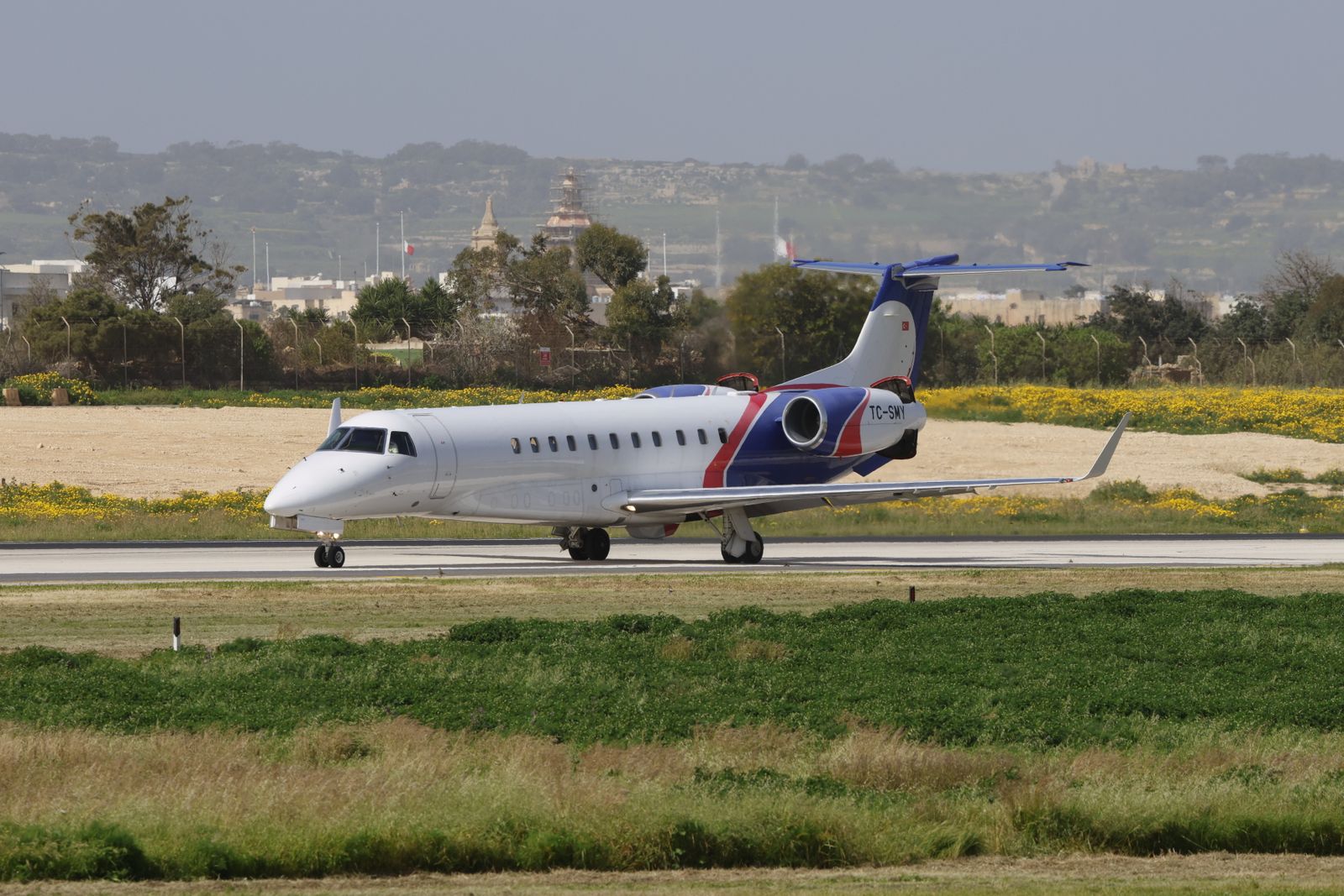
By The Charter Cost Guide editorial team · Updated October 13, 2026 · 8 min read
Some links on this page are affiliate links. We may earn a commission at no extra cost to you. Read how we make money.
Short answer
To charter a private jet, send your route, dates, passenger count and baggage to two or three brokers or operators, compare itemised all-in quotes, verify the operating carrier and the exact aircraft, then review the contract and pay — usually in full up front. The aircraft is only fully confirmed once both the commercial and operational requirements are satisfied.
Chartering a private jet for the first time feels opaque because the industry sells to repeat clients who already know the drill. The actual process is straightforward and has not changed much: you describe the trip, you get quotes, you pick an aircraft, you sign and pay. This guide walks through each step in order, with the checks that separate a smooth booking from an expensive lesson.
For the money side — what hourly rates look like and how positioning, fees and taxes stack up — see our private jet cost guide. This guide is about the process.
Details to prepare before you ask for quotes
Brokers and operators quote from a standard trip brief. Having it ready gets you faster, more comparable quotes. Prepare:
Route: departure and arrival airports (city names are fine to start; the broker will suggest the best airports — there is often one closer to your destination than the obvious choice).
Dates and time window: exact dates if fixed, or a window if flexible. Flexibility on timing can unlock better aircraft availability.
Passenger count: the number of travellers, not the number of seats you think you need — the broker matches aircraft to headcount.
Baggage: rough volume and any oversized items (skis, golf clubs, musical instruments). Small jets have small holds.
Special requirements: catering preferences, wheelchair access, pets, ground transport, or anything medical such as reduced mobility or medical equipment — operators need to assess the aircraft, airport and boarding process for these in advance.
One page with these five items, sent identically to every broker, is the foundation of a fair comparison. Anything you add later — a passenger, a stop, a catering upgrade — reprices the quote.
Ask two or three brokers or operators
You can book through a charter broker or directly with an operator. A useful mental model from the industry press: think of the operator as the airline and the broker as the travel agent. A good broker compares multiple aircraft and operators, verifies the details, and handles the logistics — typically at no extra cost to you, since brokers earn from the operator side (see our guide to how charter brokers get paid for the yacht-side equivalent of this arrangement).
Practical advice for first-timers:
Start with a broker unless you already know and trust a specific operator. Comparing aircraft is the broker’s core skill.
Ask two or three, not ten. Two or three competent brokers cover the available market; more than that creates duplicated work and conflicting advice.
Send the identical brief to each. Different briefs produce different quotes and you will not be able to compare them.
Expect quotes by email within hours, not days, for standard trips. A straightforward same-day flight can sometimes be arranged within several hours when an aircraft and crew are nearby — though permits, slots, airport opening hours, documents, payment and ground handling can all extend the timeline (source: Eton Aviation, accessed 13 October 2026).
Keep memberships as a separate question. If you expect to fly privately more than a handful of times a year, jet cards and memberships are worth a separate conversation — but for a first one-off trip, compare ad-hoc charter quotes only.
Note
A booking platform or broker is not necessarily the operator. Always establish which company will actually operate your flight — that is the name you verify in the next steps.
Compare quotes line by line
Headline totals mislead. Two quotes $8,000 apart may describe the same trip priced differently — or different trips priced similarly. Break every quote into the same lines before comparing.
Quote comparison sheet — fill one column per quote
Comparison line
What to write down or ask
Aircraft type
Exact model and year or refurbishment date — not just the category
Flight time
Billed flight hours and how they were calculated for your route
Taxes and fees
Itemised: air transportation taxes, airport charges, handling, fuel surcharges
Positioning
Is a ferry flight to reach you included? At what cost?
Cancellation terms
Deadlines, refund rules, and charges for itinerary or passenger changes
Payment terms
When funds are due, what is payable up front, how extras are settled
Indicative figures. Source: Compiled from Eton Aviation first-time charter guide and industry booking practice. Data collected: 13 October 2026.
Three things first-timers most often miss in the comparison: positioning (the empty flight to reach your departure airport, frequently billed), catering and ground handling (sometimes included, sometimes line items), and what happens if the operator cancels (your rights and refund timeline should be in writing before you pay).
On pricing context: published 2026 guides put indicative hourly rates at roughly $3,000 to $6,500 for light jets, $4,500 to $8,500 for midsize, and $7,000 to $13,000+ for heavy jets, with sources disagreeing at the edges (sources: BlackJet and GlobalCharter, accessed 13 October 2026). Use those bands only to sense-check quotes, never as prices.
Check the aircraft and the operator
Before money moves, verify the two things that actually fly you: the machine and the company.
The aircraft. Confirm the exact aircraft type assigned to your trip — not “a light jet” but the model — plus its year or last refurbishment date and its cabin configuration (seats, baggage space, lavatory). Ask what happens if that specific aircraft becomes unavailable: which substitute, and do you approve it first?
The operator. Confirm the legal name of the operating carrier and check its air carrier certificate with the relevant aviation authority. Ask whether the operator holds an independent safety audit rating such as ARGUS or Wyvern, and what the rating actually covers — treat it as one item in your checks, alongside the certificate and the assigned aircraft, not as a verdict on its own.
The broker or platform. If you booked through one, confirm in writing that they have verified the operator and aircraft above — that verification is a large part of what you are paying for, even though you pay for it indirectly.
Contract and payment
The contract is short by aviation standards but every clause matters. Read it fully before signing, and check at minimum:
The itinerary as quoted: airports, dates, times, passenger count, aircraft type.
The all-in price and exactly what it includes and excludes.
Payment schedule: ad-hoc charters usually require full payment up front, with extras settled after the flight. Know when your money leaves and what triggers a refund.
Cancellation and change terms: the deadlines and the cost of cancelling close to departure, changing the itinerary, or changing the passenger list. On ad-hoc charters these can be steep.
Operator substitution rights: whether the broker or operator can swap the aircraft, and whether your consent is required.
A first-time charter guide from an operator puts the key point plainly: the aircraft becomes fully confirmed only when the commercial and operational requirements are satisfied — signed contract, documents provided, payment completed, permits and slots in hand (source: Eton Aviation, accessed 13 October 2026). Until then, the booking is provisional no matter what the quote said.
Tip
Never pay by a method you cannot trace or reverse if something goes wrong. Bank transfer to the contracted company is standard; be cautious of requests to pay an individual or an unrelated entity.
Day of departure
Private terminals run on the flight brief, not on airline habits. Follow the reporting time in your brief rather than assuming you can arrive minutes before departure — handling staff need time to confirm passenger identities and baggage while the crew completes operational checks, and boarding normally begins only once the aircraft and documents are ready (source: Eton Aviation, accessed 13 October 2026).
Two things to know in advance:
Arriving early does not guarantee an earlier departure. The operator may still be completing permits, fuelling or flight planning.
If you are delayed, contact the charter team immediately. Slots, airport curfews and crew duty-time limits may cap how long the aircraft can wait for you — this is the one part of the day where minutes genuinely matter.
Bring photo ID for every passenger, keep the broker’s or operator’s phone number on hand, and confirm the meeting point at the private terminal (FBO) rather than the main terminal. Then board, stow your bag, and enjoy the part you actually paid for.
The private terminal experience itself is part of what you are paying for: no queues, no announcements, no boarding groups. You will typically wait in a small lounge until the crew calls you, then walk directly to the aircraft across the ramp. Keep luggage tags and ID accessible — handling staff may ask for them at the aircraft door rather than at a counter. And build a buffer into any onward plans: private aviation is flexible, but it is still aviation, and weather or air traffic can move any departure.
Tipping the crew is discretionary but customary on charters — our tipping etiquette guide covers typical ranges and how to handle it.
Frequently asked questions
How far in advance should I book a private jet?
For the best choice of aircraft, book as early as you can — days to weeks ahead. A straightforward flight can sometimes be arranged within hours if an aircraft and crew are nearby, but permits, slots, documents and payment can all extend the timeline.
Should I use a broker or contact an operator directly?
Either works. Think of the operator as the airline and the broker as a travel agent: a good broker compares multiple aircraft and operators for you, typically at no extra cost since brokers earn from the operator side. Going direct suits you if you already know the operator.
Do I pay the full charter cost up front?
Usually yes. On ad-hoc charters the customer typically pays the full quoted cost before the flight, with any additional costs incurred during the trip settled afterwards. Read the cancellation terms before paying — close-in cancellations can be expensive.
How do I know the operator is legitimate?
Confirm the legal name of the company that will operate your flight and check its air carrier certificate with the relevant aviation authority. Ask whether the operator holds an independent safety audit rating such as ARGUS or Wyvern, and verify the exact aircraft assigned to your trip.
What happens on the day of departure?
Follow the reporting time in your flight brief. Handling staff confirm passenger identities and baggage while the crew completes operational checks, and boarding begins once the aircraft and documents are ready. If you are delayed, contact the charter team immediately — slots, airport curfews and crew duty limits may cap how long the aircraft can wait.
Sources and method
We compared published rates and guides from the sources below. Figures are indicative ranges, not quotes, and were collected on the dates shown with each source.
This guide is general information, not professional advice. Prices are indicative and change with season, route and availability. Spotted a mistake? Our contact email is coming soon.