Pets, Luggage and Catering on a Private Jet: What to Arrange
By The Charter Cost Guide editorial team · Updated October 13, 2026 · 8 min read
Some links on this page are affiliate links. We may earn a commission at no extra cost to you. Read how we make money.
Short answer
Private jet rules for pets, luggage and catering are set by each operator and aircraft — no single industry standard exists. Published guides commonly cite about 50–70 cubic feet of hold space on light jets, past 100 on heavy jets, most operators welcoming pets in the cabin, and basic catering included with special requests available at extra cost. Declare everything — pet details, bag counts and sizes, food requests — at the quote stage and get the answers in writing.
Three of the most common first-timer questions about private jet charter have the same answer: it depends on the operator and the aircraft. Can the dog come? Will six suitcases fit? Can they do a vegan hot meal? There is no single industry rulebook — each operator sets its own policies, and each aircraft has its own physical limits. This guide explains how those limits work, what published guides commonly cite, and exactly what to ask — and get confirmed in writing — before you pay a deposit.
A charter broker sells you a flight; the operator who actually flies it owns the aircraft and sets the onboard rules. Two operators flying the same route on the same jet category can have different pet policies, different catering standards and different baggage practices. The aircraft itself adds a second layer of variation: a light jet’s hold is a fraction of a heavy jet’s, and some cabins have no proper galley at all.
The golden rule
Declare everything unusual at the quote stage — pets, oversized bags, sports equipment, dietary needs, celebrations. The broker can then match you to an operator and aircraft that actually accommodate it, instead of discovering the mismatch after you have paid.
This matters because of weight and balance. Every aircraft has a maximum payload, and on a full flight with full fuel the pilot must make the numbers work. Published guides note that on a full cabin with a long fuel load, you can be asked to leave heavy bags behind. The earlier the operator knows your load, the better the aircraft match.
Baggage: cabin and hold limits
Unlike airlines, private jets have no universal per-person allowance. The limit is the aircraft’s hold volume and weight capacity, which is why guides always quote ranges by category and tell you to confirm your specific aircraft.
Indicative baggage hold space by jet category
Category
Indicative hold space
What that typically means
Light jet
About 50–70 cubic feet
A few suitcases plus personal items; soft bags fit better
Midsize jet
About 80–120 cubic feet
Several medium suitcases comfortably
Super-midsize jet
About 130–160 cubic feet
Room for larger cases on longer trips
Heavy jet
Over 100 cubic feet
Multiple large bags; the most generous allowance
Indicative figures. Source: Published operator and broker baggage guides (see sources). Data collected: 13 October 2026.
A few practical points behind those bands:
Weight often matters more than bag count. One published guide cites checked bags up to about 50 pounds each as a common working figure, with carry-ons around 25 pounds — but stresses these vary by aircraft.
Soft bags beat hard cases on smaller jets, where the hold is an awkward shape and every inch counts.
Oversized items need planning. Skis, golf clubs, artwork and musical instruments can all fly, but they eat volume fast and may need special arrangements — mention them early.
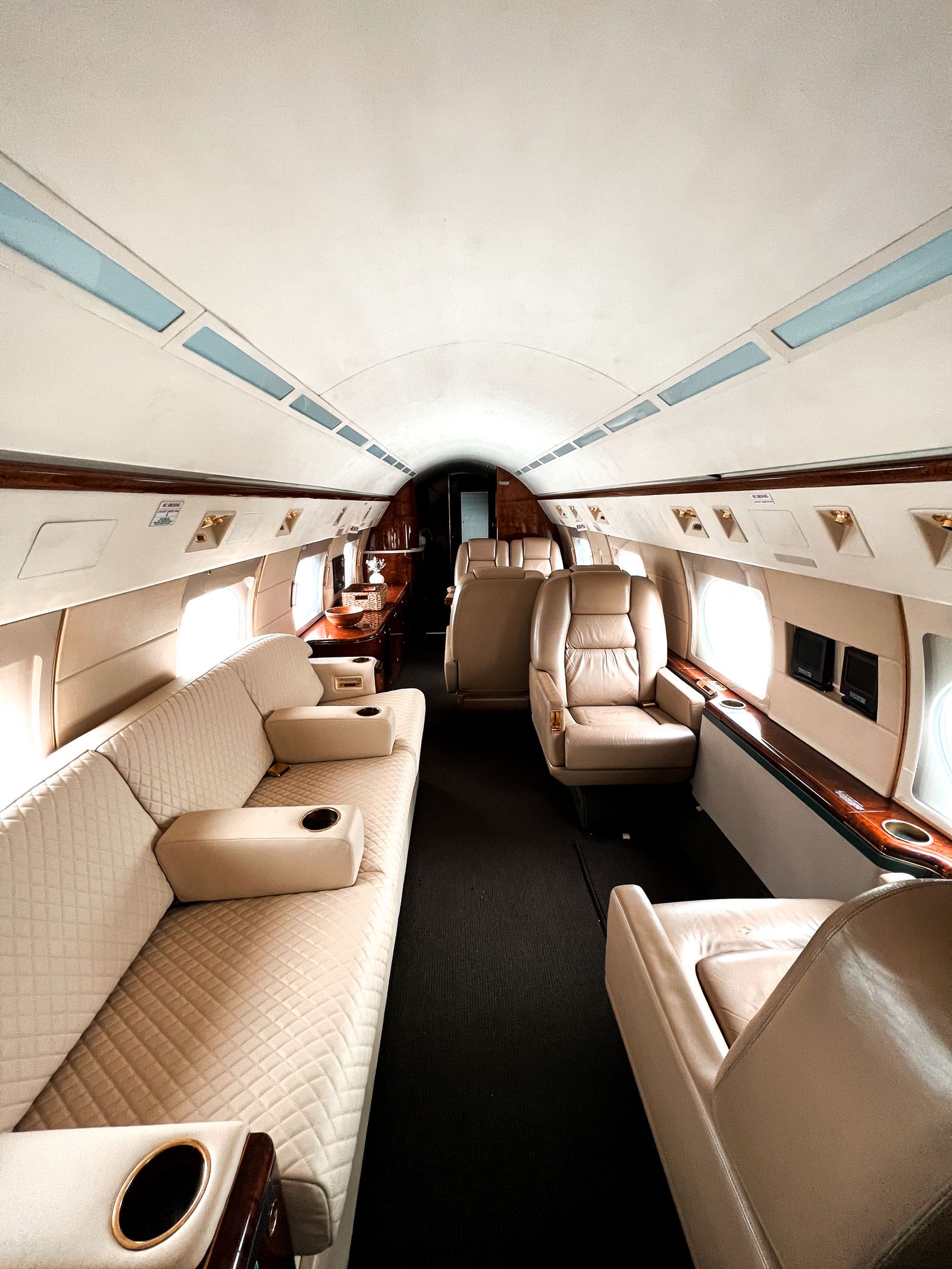
Cabin access is a perk. Many jets let you reach your bags mid-flight from an internal closet, so keep essentials (laptop, medication, change of clothes) in a small cabin bag rather than the hold.
The single most useful question: “What are the exact cabin and hold limits, in weight and dimensions, for the aircraft you are quoting me?” Get the answer in writing with the quote.
Flying with pets
This is where private aviation genuinely differs from airlines: most charter operators welcome dogs and cats in the cabin with their owners, rather than in the hold. But “most” is not “all” — policies differ by operator and by aircraft owner, and some impose weight limits, breed conditions or outright refusals. Never assume.
What to arrange, step by step:
Declare the pet at the quote stage. Published pet-travel guides advise giving the broker the species, breed, approximate weight, number of animals and carrier details up front, so only suitable operators and aircraft are offered.
Confirm the operator’s policy in writing. Ask specifically: cabin or carrier required, where the pet sits during takeoff and landing, any weight or breed limits, and any cleaning fee. One European broker guide cites pet fees of roughly €100–500 per flight plus cleaning fees of €50–250 where they apply — but many operators charge nothing beyond the charter itself, since you have booked the whole aircraft.
Check destination entry rules early. Published guides commonly list a microchip, current rabies vaccination (often with a waiting period after first vaccination) and a pet passport or veterinary health certificate as the usual document set, with each destination country adding its own requirements. Some countries require prior authorisation for pets arriving by private aircraft.
Rules change — verify, don't assume
Pet travel rules move. One 2026 industry guide notes the UK stopped accepting GB-issued EU pet passports in April 2026, replacing them with per-trip health certificates. That is exactly why you should verify the current requirements for your route with your broker and your vet several weeks out — never rely on what worked last year, or on a friend’s trip.
Prepare the animal. Guides recommend a familiar blanket, water in small portions, light feeding before the flight, and a carrier the pet has practised in — the carrier must let the animal stand, turn and lie down. During taxi, takeoff and landing the pet must be secured, in a carrier or on a short restraint, depending on the operator’s rules.
Large dogs need floor space. Big breeds often travel on the cabin floor by a seat. Because a large dog counts toward the aircraft’s weight-and-balance payload, your broker may suggest a larger cabin — another reason to declare early.
Service animals are generally accommodated, but share documentation early and request seating with clear floor space.
Catering and special requests
Standard catering on many operators — particularly on smaller jets — runs to a tray of fresh fruit, a cheese platter, snacks and drinks, served by the flight attendant or co-pilot depending on aircraft size. That is the baseline, not the ceiling.
What you can arrange, if you ask in advance:
Full meals from a set menu or from a specific restaurant, kept cold and delivered to the aircraft before departure.
Dietary requirements — published catering guides confirm vegan, vegetarian, gluten-free and children’s preferences are routinely accommodated when communicated in advance.
Celebrations — champagne, birthday cakes, flowers and decorations can be organised through the operator or the FBO’s catering providers.
Specific brands — if you want a particular wine, spirit or snack on board, say so; operators will usually source it.
Two caveats. First, extra catering usually costs extra, folded into your overall quote — confirm whether your quote includes it or not. Second, small cabins have small galleys: on a light jet, expect beautifully presented cold food rather than a cooked multi-course meal. Match expectations to the aircraft, and put every request in writing with a deadline (24–48 hours before departure is a common working window cited by operators).
Your pre-flight request checklist
Use this as your template when briefing a broker. If you can answer every line before requesting quotes, you will get comparable offers and no day-of surprises.
Passengers and pets
Full passenger count, including children and any passengers needing assistance
Pet species, breed, weight, number of animals, carrier dimensions — declared at quote stage
Operator’s pet policy confirmed in writing (cabin rules, fees, cleaning charges)
Destination pet entry requirements verified with broker and vet
Baggage
Bag count, sizes and approximate weights shared with the broker
Exact cabin and hold limits for the quoted aircraft, in writing
The pattern across all three topics is the same: the flexibility of private charter is real, but it is delivered through planning, not assumed. Tell the broker everything, get everything back in writing, and the flight will match the picture in your head — with the dog settled, the bags stowed and the right meal on board.
Frequently asked questions
Can I bring my dog on a private jet?
Usually yes — most charter operators welcome pets in the cabin, but it is not universal and some apply weight limits or breed conditions. Declare your pet at the quote stage with species, breed, weight and carrier details, and confirm the operator's policy in writing before you book.
How much luggage can I bring on a private jet?
It depends on the aircraft. Published guides commonly cite about 50–70 cubic feet of hold space on light jets (a few suitcases), 80–120 on midsize jets and over 100 on heavy jets. Ask your operator for the exact cabin and hold limits of your assigned aircraft in writing.
What documents does my pet need to fly privately?
Published guides commonly list a microchip, current rabies vaccination and a pet passport or veterinary health certificate, with destination countries adding their own requirements. Rules change — verify the current entry requirements for your exact route with your broker and vet well before departure.
Is catering included in a private jet charter?
Basic catering — typically snacks, fruit, cheese and drinks — is often included, especially on smaller jets. Anything beyond that, from a hot meal to a birthday cake, is usually arranged in advance at extra cost. Place special requests when you book, not at the airport.
Will I pay extra to bring my pet?
Usually there is no per-pet fare, because you have chartered the whole aircraft and the pet occupies cabin space you already paid for. Some operators charge a cleaning fee instead. Confirm any pet-related charges in your written quote.
Sources and method
We compared published rates and guides from the sources below. Figures are indicative ranges, not quotes, and were collected on the dates shown with each source.
This guide is general information, not professional advice. Prices are indicative and change with season, route and availability. Spotted a mistake? Our contact email is coming soon.
Step-by-step first-time guide to chartering a private jet: what to prepare, how to compare quotes, verify the operator and what to check before paying.